August 24, 2026
Pavement is a foundational element of modern infrastructure, supporting everything from residential driveways to commercial parking lots and public roadways. While often viewed through the lens of durability and function, paving also plays a critical role in sustainability. Today’s paving companies are increasingly focused on practices that reduce environmental impact, extend material lifespan, and improve overall efficiency. As property owners and developers place greater emphasis on long-term value and responsible construction, understanding the sustainability behind paving solutions has become more important than ever.
Sustainability in paving is not limited to materials alone—it involves the entire lifecycle of a project, from initial installation to long-term maintenance and eventual rehabilitation. By adopting innovative techniques and prioritizing efficiency, paving companies are helping reduce waste, conserve resources, and deliver surfaces that perform reliably over time. These efforts not only benefit the environment but also provide practical advantages for property owners seeking cost-effective, long-lasting solutions.
According to Gitnux, asphalt pavements in the United States typically last around 15 years on average before requiring major rehabilitation. This lifespan highlights the importance of proper installation, maintenance, and material selection in extending performance and minimizing environmental impact. By focusing on durability and sustainability, paving companies can help ensure that surfaces remain functional for as long as possible, reducing the need for frequent replacements.
We’ve seen how sustainable paving practices can make a meaningful difference in both performance and environmental responsibility. Here are the key ways paving companies contribute to sustainability and how each approach supports long-term value, efficiency, and responsible development.
Using Recycled Materials in Pavement Construction
Incorporating Reclaimed Asphalt
One of the most significant sustainability practices involves the use of reclaimed asphalt pavement (RAP). By reusing existing materials, paving companies reduce the need for new raw resources while minimizing waste. This approach supports both environmental conservation and cost efficiency. It also helps lower the demand for energy-intensive material production processes, contributing to a more sustainable construction cycle overall.
Reducing Material Waste
Recycling materials helps divert waste from landfills and reduces the overall environmental footprint of paving projects. This process ensures that valuable resources are reused effectively rather than discarded. Over time, this practice plays a critical role in minimizing construction-related waste across large-scale infrastructure projects.
Maintaining Material Performance
Recycled materials can deliver the same level of durability and performance as new materials when properly processed. This ensures that sustainability does not come at the expense of quality. With the right techniques, recycled asphalt can maintain structural integrity while supporting long-term use.
Supporting Circular Construction Practices
By integrating recycled materials into new projects, paving companies contribute to a circular construction model that prioritizes resource efficiency and long-term sustainability. This model helps reduce reliance on finite resources and encourages continuous reuse within the industry.
Extending Pavement Lifespan Through Proper Installation
Ensuring Strong Foundation Preparation
A durable pavement begins with a properly prepared base. Attention to subgrade stability and compaction helps prevent early deterioration and supports long-term performance. A strong foundation also ensures that the surface can handle consistent use without developing structural issues prematurely.
Applying Advanced Installation Techniques
Modern paving methods improve consistency and durability, ensuring that surfaces can withstand daily use and environmental conditions. These techniques help maximize the lifespan of pavement. Precision during installation plays a key role in reducing long-term maintenance needs.
Reducing Premature Failures
High-quality installation minimizes the risk of cracking, potholes, and other forms of damage. This reduces the need for frequent repairs and contributes to long-term sustainability. Preventing early failures also helps maintain safety and usability across all types of paved surfaces.
Supporting Long-Term Performance Goals
By focusing on proper installation, paving companies ensure that surfaces remain functional and reliable for years, reducing the environmental impact associated with repeated construction. Long-term performance directly supports sustainability by limiting the need for additional materials and labor.
Minimizing Environmental Impact During Projects
Reducing Emissions From Equipment
Modern equipment is designed to operate more efficiently, producing fewer emissions during paving projects. This helps reduce the overall environmental footprint of construction activities. Cleaner equipment contributes to healthier job sites and surrounding environments.
Optimizing Material Transportation
Efficient logistics planning minimizes transportation distances and fuel consumption. This contributes to lower emissions and improved project efficiency. Reducing transportation needs also helps streamline project timelines and improve overall coordination.
Managing Job Site Waste
Proper waste management ensures that materials are handled responsibly and that excess materials are reused whenever possible. This reduces environmental impact and supports sustainable practices. Organized job sites also improve safety and operational efficiency.
Protecting Surrounding Environments
Careful planning helps prevent damage to nearby landscapes and ecosystems during construction. This ensures that projects are completed responsibly and with minimal disruption. Maintaining environmental balance is a key component of sustainable paving practices.
Improving Surface Efficiency and Performance
Enhancing Drainage Capabilities
Properly designed pavement systems support efficient water drainage, reducing runoff and minimizing erosion. This contributes to environmental protection and improved surface performance. Effective drainage also helps extend the life of the pavement by preventing water-related damage.
Reducing Heat Retention
Innovative paving materials can help reduce heat absorption, contributing to cooler surface temperatures and improved environmental conditions in urban areas. This is particularly important in areas where heat buildup can impact surrounding structures and comfort levels.
Supporting Smooth Surface Design
Smoother surfaces reduce vehicle resistance, improving fuel efficiency and reducing emissions. This benefit extends beyond the pavement itself, contributing to broader environmental gains. Improved driving conditions also enhance safety and comfort for users.
Maintaining Consistent Surface Quality
High-quality pavement supports consistent performance over time, reducing the need for frequent maintenance and associated environmental impact. Consistency in surface quality also enhances overall user experience and reliability.
Prioritizing Preventive Maintenance Strategies
Implementing Routine Inspections
Regular evaluations help identify potential issues early, allowing for timely intervention and preventing more extensive damage. Early detection plays a critical role in extending the life of pavement systems.
Applying Surface Treatments
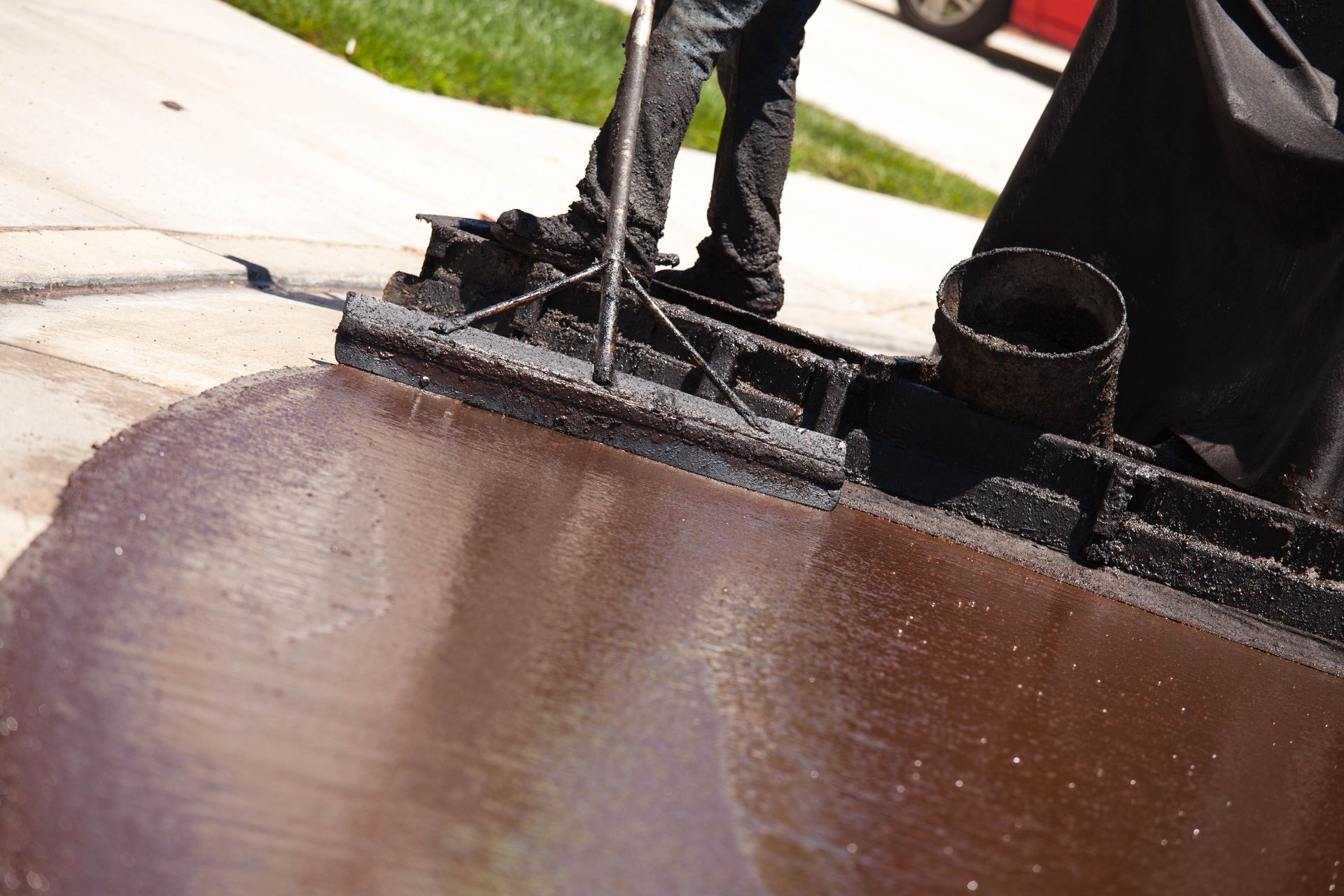
Sealcoating and other treatments help protect pavement from environmental factors, extending its lifespan and reducing the need for major repairs. These treatments also enhance the appearance of surfaces, contributing to curb appeal.
Addressing Minor Repairs Promptly
Fixing small cracks and imperfections early helps prevent them from developing into larger issues, supporting long-term sustainability. Timely repairs reduce the need for more extensive interventions later.
Reducing Resource Consumption Over Time
Preventative maintenance reduces the need for large-scale rehabilitation, conserving materials and minimizing environmental impact. This proactive approach supports both sustainability and cost efficiency.
Supporting Sustainable Development Goals
Aligning With Environmental Standards
Paving projects are increasingly designed to meet environmental regulations and sustainability benchmarks. This ensures responsible construction practices. Compliance with these standards also reflects a commitment to long-term environmental responsibility.
Contributing to Long-Term Infrastructure Planning
Sustainable paving supports the development of infrastructure that can meet future demands while minimizing environmental impact. Long-term planning helps ensure that projects remain relevant and effective over time.
Enhancing Community Sustainability
Well-maintained pavement contributes to safer, more efficient communities, supporting overall quality of life. Reliable infrastructure plays a key role in daily activities and long-term development.
Promoting Responsible Resource Use
By prioritizing efficient material use and long-term performance, paving companies play a key role in promoting sustainability across the construction industry. These efforts help create a more balanced and resource-conscious approach to development.
Sustainability in paving goes far beyond surface-level considerations. From using recycled materials and extending pavement lifespan to minimizing environmental impact and supporting efficient performance, each factor contributes to a more responsible approach to construction. These practices not only benefit the environment but also provide long-term value for property owners and communities. As sustainability continues to shape the industry, these approaches will remain essential for future development.
By working with experienced professionals who prioritize sustainable methods, property owners can ensure that their paving projects are both durable and environmentally responsible. This approach supports long-term performance while reducing the need for frequent repairs and resource consumption.
If you’re ready to invest in sustainable paving solutions that deliver lasting value, contact United Paving LLC today to learn how expert paving companies can support your project with reliable, environmentally conscious results.