October 1, 2026
Investing in asphalt paving, resurfacing, or driveway installation enhances property curb appeal and restores long-term structural integrity. Whether you are replacing a deteriorated residential driveway or repaving a commercial parking area, choosing the right paving team determines the durability and smooth finish of your pavement. Navigating material choices, drainage planning, subbase preparation, and sealing schedules requires transparent communication between property owners and asphalt specialists. Partnering with a skilled specialist ensures high-quality craftsmanship that withstands heavy traffic loads and extreme seasonal weather shifts. Taking the time to interview multiple candidates helps eliminate low-quality operators who cut corners on subbase materials. Asking targeted questions during initial consultations helps evaluate technical competence, verify licensing credentials, and ensure your project stays on schedule and within budget. A thorough initial evaluation prevents unexpected change orders during active construction.
What Licensing, Insurance, and Professional Credentials Do You Hold?
Before discussing project logistics or material estimates, verifying a company's credentials and liability coverage is essential for protecting your property. Ask potential contractors for proof of comprehensive general liability insurance, active workers' compensation coverage, and current state or municipal contractor licenses. Adequate liability coverage safeguards property owners from financial risk if accidental property damage or jobsite injuries occur during asphalt installation. Hiring a fully insured local paving contractor provides peace of mind, confirming that the paving crew operates legally, adheres to local municipal codes, and maintains rigorous site safety standards throughout excavation and pavement laying.
What Is Your Experience with Local Soil and Drainage Challenges?
Asphalt performance depends heavily on subgrade soil stability and surface water management. Standing water and poor drainage saturate subbase layers, causing asphalt cracking, pothole formation, and structural foundation collapse over time. Inquire about the company's experience evaluating local soil conditions, establishing proper pitch gradients, and installing catch basins or French drains where necessary. An established local paving contractor understands regional climate factors, soil expansion risks, and regional rainfall patterns, allowing them to engineer subbases that redirect runoff effectively away from nearby building foundations. Proper slope adjustments ensure that heavy rain flows harmlessly into storm drains rather than pooling near entryways.
How Do You Prepare and Compact the Base Layer Before Paving?
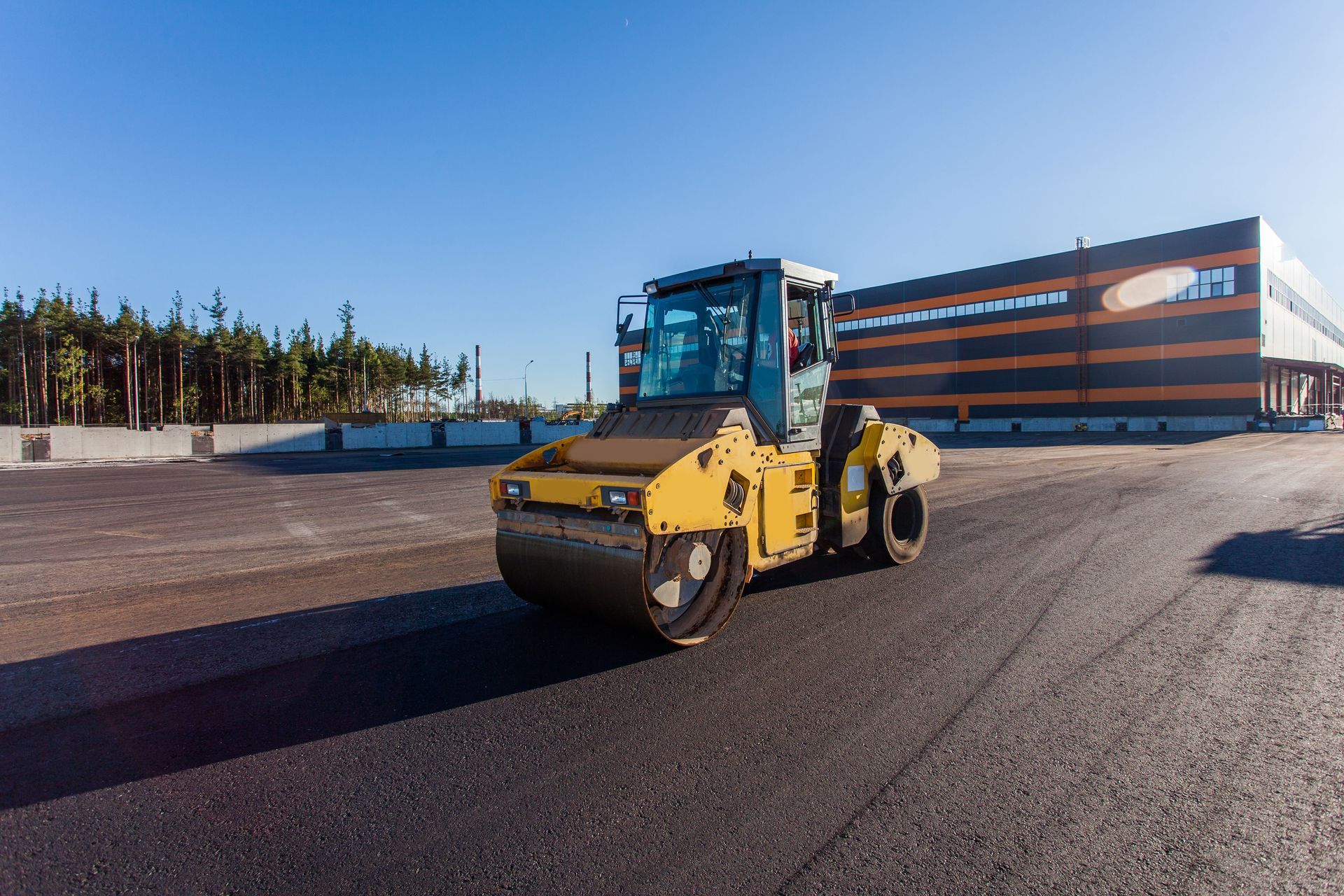
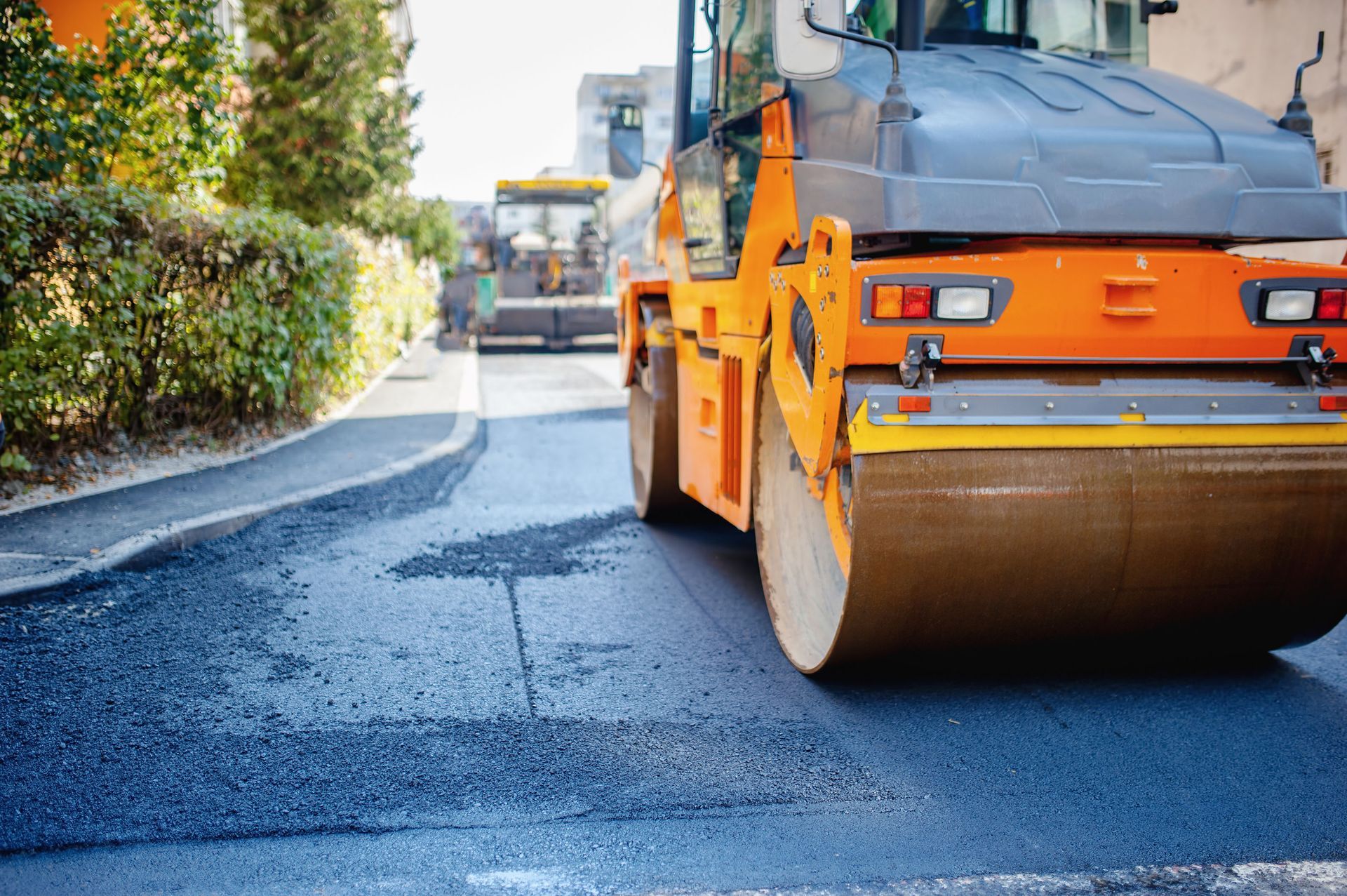
The strength of an asphalt driveway or parking lot relies on the quality and compaction of its underlying aggregate base rather than the top asphalt layer alone. Ask contractors to detail their base preparation process, including excavation depth, aggregate crushed stone grading, and compaction machinery used. Skipping adequate base compaction or laying fresh asphalt over unstable, muddy subsoils leads to premature rutting and surface sagging. A qualified local paving contractor excavates damaged subsoils thoroughly, installs heavy-duty crushed rock bases, and utilizes industrial vibratory rollers to achieve solid structural compaction before applying hot-mix asphalt layers.
What Specific Asphalt Mix and Thickness Do You Recommend for This Job?
Not all asphalt mixtures are created equal; different projects require distinct aggregate sizes and liquid binder combinations depending on expected load weights. Inquire about the exact asphalt mix formulation, aggregate size, and compacted thickness proposed for your specific project. Residential driveways handling light passenger vehicles require different asphalt compaction ratios than heavy commercial loading docks. A reliable local paving contractor explains the difference between binder course layers and fine-aggregate surface courses, providing clear specifications on compacted asphalt thickness so you receive a surface engineered to handle expected vehicle weights.
How Do You Handle Seamless Asphalt Joints and Edge Transitions?
Flawlessly connecting newly installed asphalt to existing concrete aprons, curbs, or older paved sections requires precise raking and compaction techniques. Weak joints between paving passes or sloppy edge transitions allow water penetration, which rapidly degrades seam integrity during freeze-thaw cycles. Inquire about the company's approach to joint construction, edge support, and tack coat adhesive application. Tamping edges at a forty-five-degree angle reinforces borders against cracking when vehicles drive over them. A meticulous local paving contractor applies heat-bonded tack coats, constructs dense seam alignments, and installs sturdy edge berms to ensure seamless transitions that prevent water intrusion and resist heavy wheel weight displacement.
What Is Your Estimated Timeline and Site Management Plan?
Clear timelines and site logistics prevent frustrating project delays and minimize access disruptions for homeowners or commercial tenants. Ask candidates to outline their expected project timeline, including site excavation, base curing, asphalt laying, and final roller compaction phases. It is also important to ask how the crew manages traffic control, machinery storage, and site cleanup after paving is complete. Partnering with an organized local paving contractor ensures open communication regarding daily start times, driveway downtime expectations, and noise management, allowing property owners to make necessary parking and access arrangements in advance.
How Do Environmental Conditions Affect Sealcoating and Project Timelines?
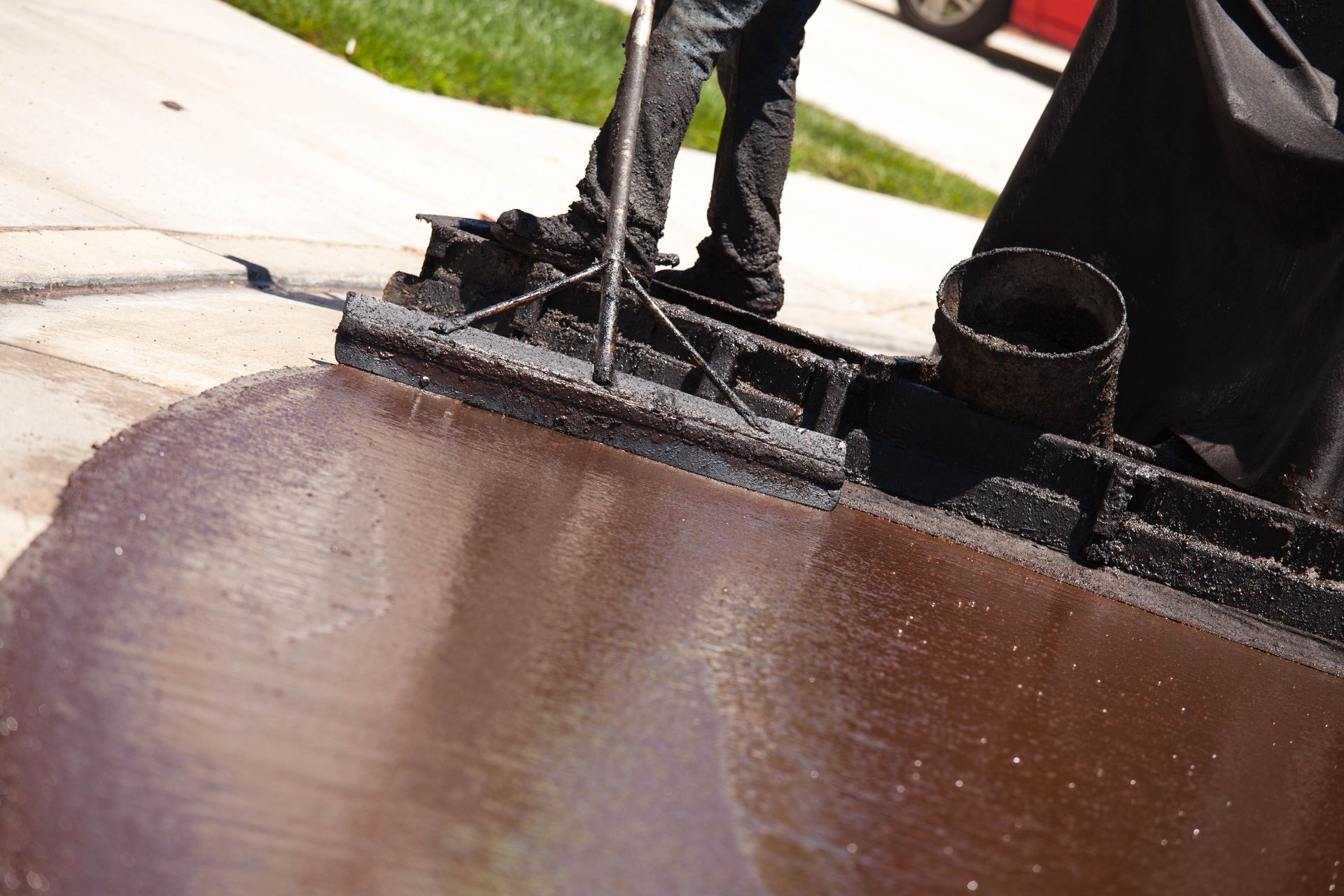
Temperature and atmospheric humidity play a significant role in how asphalt cures, compacts, and binds. Applying sealants or laying hot asphalt during improper weather conditions causes poor adhesive bonding, tracking, and premature surface degradation. Inquire about how the team monitors weather forecasts and ambient humidity levels during installation and post-paving sealing applications. Weather parameters are exceptionally strict during surface finishing phases. According to HomeGuide, fast-drying sealant should be applied when temperatures exceed 75° F and relative humidity stays under 35%. Planning your project during stable weather windows ensures the liquid sealant adheres properly and dries without streaks. Consulting a knowledgeable local paving contractor guarantees that sealcoating and paving schedules align with ideal atmospheric windows for optimal curing and long-term durability.
What Detailed Guarantees and Warranties Do You Provide for Labor and Materials?
A reputable paving company stands behind its craftsmanship by offering comprehensive written warranties covering material defects and installation labor. Ask candidates to specify warranty terms, coverage duration, and what specific pavement defects—such as premature cracking, severe depressions, or edge crumbling—are included. Understanding what actions might void a pavement warranty is equally important for ongoing maintenance planning. Reviewing guarantee documents in detail clarifies which party covers future repair costs. Working with an honest local paving contractor guarantees clear written contracts that detail warranty boundaries, providing long-term protection and prompt service responses if unexpected asphalt defects arise following project completion.
What Ongoing Maintenance Protocols Do You Recommend After Installation?
Extending the operational lifespan of fresh asphalt requires routine preventive care, including periodic sealcoating, crack filling, and prompt oil stain removal. Ask prospective contractors for a recommended long-term maintenance schedule tailored to your specific asphalt mix and regional weather exposure. Learning how long to keep vehicles off fresh asphalt, when to schedule initial sealcoating applications, and how to manage heavy winter snow removal equipment protects your new investment. Addressing small hairline cracks every spring keeps water from seeping beneath the surface and freezing. A supportive local paving contractor provides comprehensive care guidelines after paving is complete, helping you preserve surface flexibility, maintain rich black curb appeal, and prevent costly premature resurfacing.
Asking informed questions during the contractor evaluation process ensures your paving project receives expert care from start to finish. By verifying credentials, evaluating base compaction methods, confirming material specifications, and reviewing weather protocols, property owners secure smooth, durable asphalt surfaces built to endure years of heavy vehicular traffic. Choosing an experienced professional transforms complex excavation and paving logistics into a seamless home improvement project, providing durable curb appeal, structural stability, and lasting value for your commercial or residential property. Contact United Paving LLC today to schedule a site consultation and get a free, detailed estimate for your upcoming asphalt project.