September 30, 2026
Hiring a paving contractor involves more than choosing someone to spread asphalt or pour concrete. A paving project requires planning, site preparation, material selection, proper grading, installation, and finishing work to create a surface that can handle regular use and changing weather conditions. Whether the project involves a driveway, parking area, private road, or another paved surface, understanding the process can help property owners know what questions to ask and what to expect before work begins. A local paving company can evaluate the site, explain available options, and outline the steps required to complete the project. Knowing how the process typically unfolds can make it easier to prepare for construction and make informed decisions about the property.
Evaluating the Existing Surface and Site
The first stage of a paving project usually involves looking closely at the current condition of the area. Contractors may inspect existing pavement for cracks, potholes, drainage problems, soft spots, uneven sections, or signs of base failure. They may also evaluate surrounding features such as curbs, landscaping, garages, sidewalks, and nearby structures that could affect access or grading. If the site has never been paved, the contractor may review soil conditions and determine how much excavation or base preparation will be necessary before the new surface can be installed.
The contractor may also consider how the finished surface will be used. A residential driveway has different demands from a commercial parking area or a route that regularly supports heavier vehicles. The expected traffic load, slope, drainage pattern, and available space can influence the recommended materials and construction approach. This evaluation helps establish the scope of work and gives the contractor information needed to prepare an estimate. Property owners can also use this stage to discuss water flow, existing damage, or desired layout changes.
Explaining the Project Scope and Estimate
After evaluating the site, the contractor can explain the proposed work and provide an estimate. The estimate may describe surface removal, excavation, base installation, paving materials, labor, equipment, and other project-specific tasks. Property owners should review what is included so they understand whether the project involves a full replacement, resurfacing, patching, sealcoating, or another service. Questions at this stage can clarify what preparation is required and which areas will be affected during construction.
The contractor should also be able to explain factors that could affect the final cost or schedule. Unexpected base damage, poor soil conditions, drainage corrections, or additional material needs can sometimes change the scope after work begins. A clear estimate provides a useful starting point while helping property owners compare options. It is also helpful to ask how long the project is expected to take, when vehicles or foot traffic can return to the area, and whether weather conditions could delay installation or curing.
Preparing the Area for New Pavement
Proper preparation is one of the most important parts of a paving project because the finished surface depends on the stability of the materials beneath it. Existing pavement may need to be removed, and weak or unsuitable soil may require excavation. Contractors can then establish the correct grade and install a compacted base designed to support the pavement above. The depth and composition of this base can vary depending on the type of project, soil conditions, and expected traffic.
During this stage, a local paving company may also address drainage concerns. Water that collects beneath or alongside pavement can contribute to cracking, erosion, settlement, and other damage. Adjusting the slope, improving runoff paths, or correcting low areas can help direct water away from the paved surface. Good preparation may take time, but rushing it can affect long-term performance. Property owners should expect equipment, excavation, and temporary access limitations while the site is being prepared.
Installing the Selected Paving Material
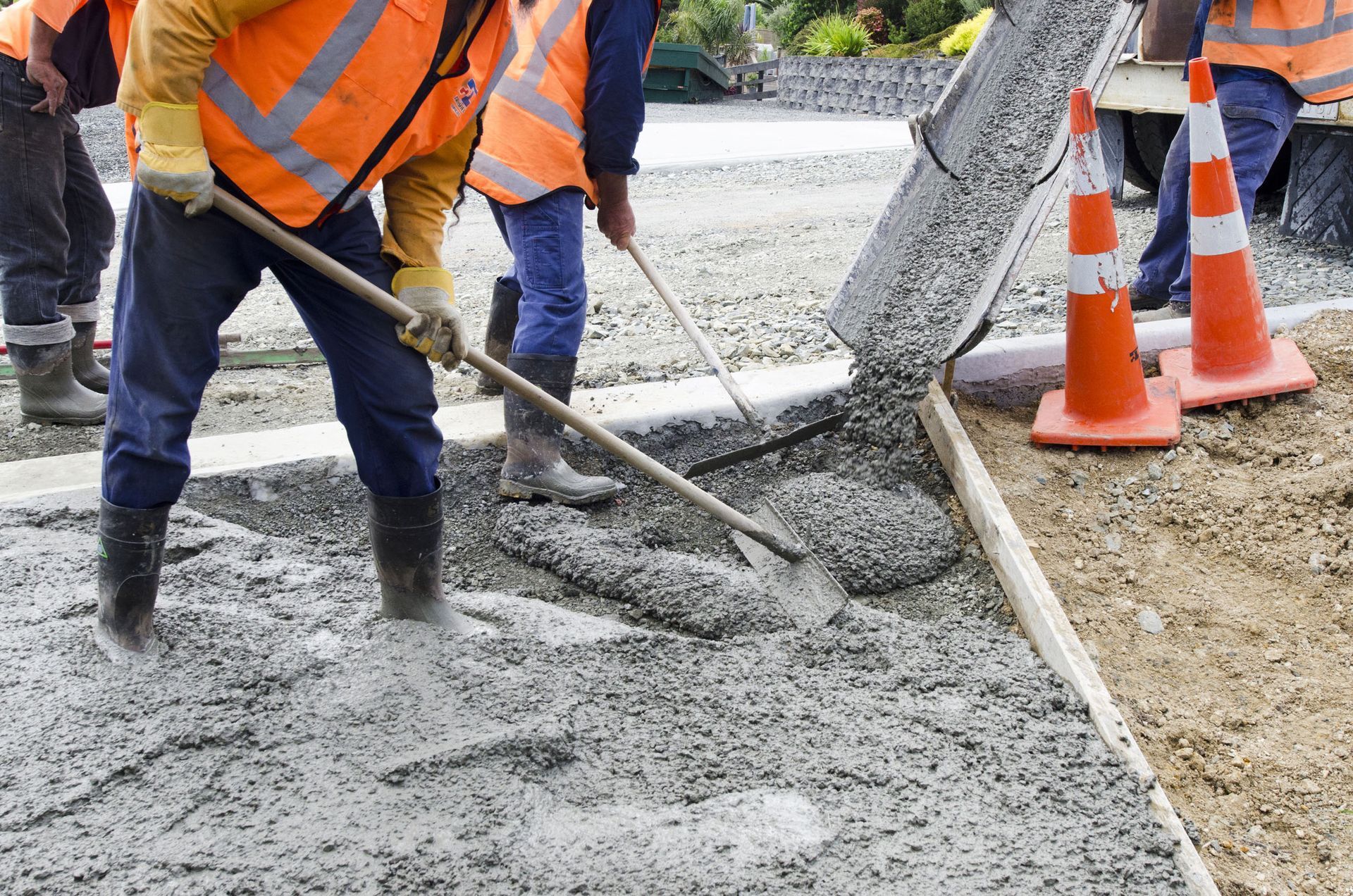
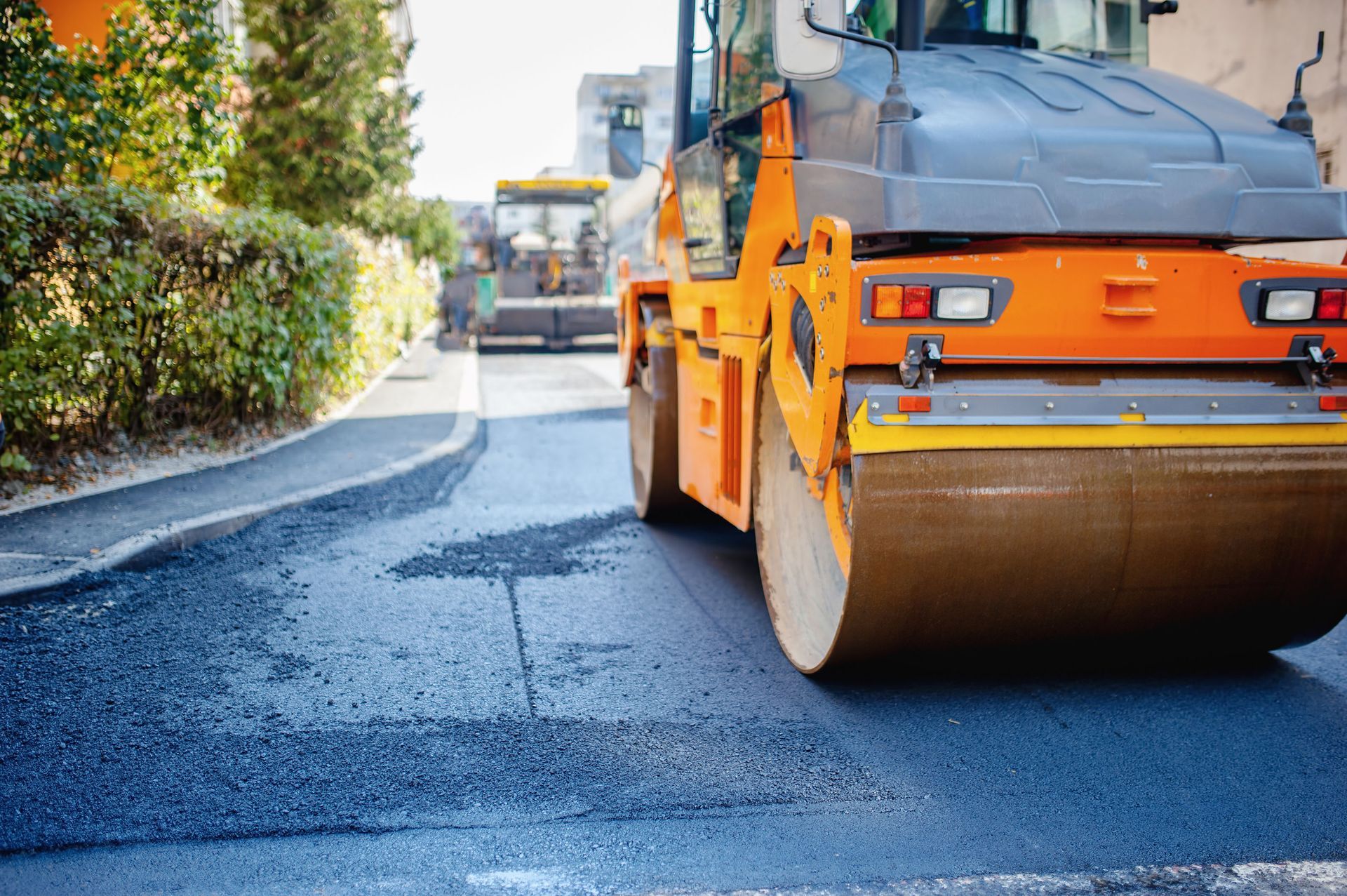
Once the base is prepared and compacted, the paving material can be installed. Asphalt is typically placed while hot and then spread and compacted to create a smooth, dense surface. Concrete paving follows a different process involving forms, placement, finishing, and curing. The specific installation method depends on the material selected and the intended use of the area. Contractors must also pay attention to thickness, edges, transitions, and connections with existing pavement or structures.
A local paving company can explain what to expect while the material is being installed and how long the area should remain unused afterward. Asphalt may need time to cool and stabilize before vehicles return, while concrete generally requires a longer curing period before it can support regular traffic. Weather can also influence installation conditions, particularly temperature and precipitation. Following the contractor's instructions after paving can help avoid marks, depressions, or other damage while the new surface is still settling or curing.
Finishing the Surface and Checking Drainage
After installation, the contractor will typically inspect the surface and complete any finishing work. This may include smoothing edges, adjusting transitions, cleaning surrounding areas, and confirming that the pavement meets the intended slope. Drainage should be checked to ensure water can move away from garages, buildings, and low points instead of pooling on the new surface. Finishing details can affect how the pavement looks and functions once the project is complete.
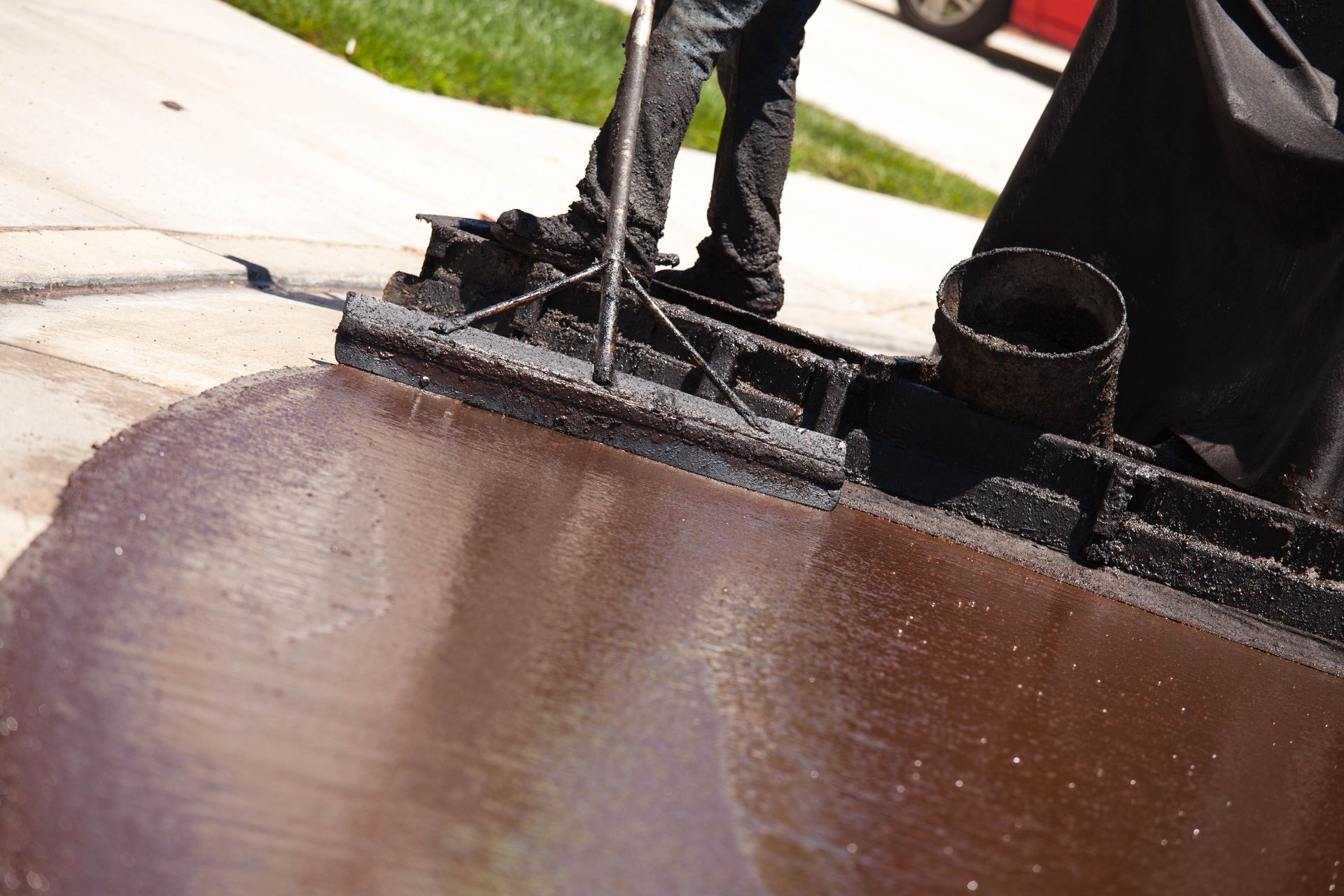
The contractor may also discuss future sealcoating or other maintenance depending on the paving material. According to HomeGuide, a typical 5-gallon container of driveway sealant can treat approximately 250 to 500 square feet, depending on the sealant used. Coverage can vary based on the product and surface condition, so maintenance planning should consider the specific pavement installed. A local paving company can provide guidance about when maintenance may be appropriate and which treatments are compatible with the finished surface.
Reviewing Care and Maintenance Expectations
New pavement still requires ongoing care after the installation is finished. Homeowners may be advised to avoid placing unusually heavy loads on certain areas, keep the surface clean, monitor drainage, and address cracks before they spread. Asphalt surfaces may eventually benefit from sealcoating, while concrete may require joint maintenance or repairs if cracks develop. The appropriate schedule depends on weather exposure, traffic, material quality, and how the pavement was constructed.
A local paving company can explain warning signs that may indicate maintenance or repairs are needed. Standing water, widening cracks, crumbling edges, depressions, or loose material should be evaluated before they become larger problems. Routine inspections can help property owners notice changes early and plan repairs rather than waiting for substantial deterioration. Keeping drainage areas clear and avoiding unnecessary stress can also support longer-lasting performance.
Planning for Future Repairs and Improvements
Even professionally installed pavement will change over time as it is exposed to traffic, sunlight, moisture, temperature fluctuations, and seasonal weather. Small cracks or surface wear do not always mean the pavement needs complete replacement. Depending on the condition, patching, crack filling, resurfacing, or sealcoating may restore function and appearance. Understanding the available maintenance options can help property owners plan future work and budget for it more effectively.
Working with a local paving company over time can provide continuity because the contractor may already be familiar with the property's drainage patterns, base conditions, and previous work. When changes appear, that background can make it easier to evaluate whether a repair is sufficient or a more extensive project is needed. Keeping records of installation dates, repairs, and maintenance can also help property owners track how the surface performs and make more informed decisions about future improvements.
Knowing what to expect from a paving contractor can make a driveway, parking area, or other pavement project easier to manage from the initial inspection through long-term maintenance. The process generally includes evaluating the site, defining the scope, preparing the base, installing the selected material, checking drainage, and explaining future care needs. A local paving company can help property owners understand how site conditions, traffic demands, materials, and weather may affect the finished surface. Clear communication and proper preparation are important at every stage because they influence both the installation process and how the pavement performs over time. For professional assistance with a paving project, contact United Paving LLC.