June 16, 2026
Pavement fissures are more than simple cosmetic blemishes on a commercial property. They indicate deep structural distress that can quickly compromise an entire driving surface. Skilled local paving contractors understand that minor surface openings represent a gateway for widespread destruction if left unmanaged. Preserving asphalt quality protects your financial investment and ensures a safe environment for vehicles and pedestrians. Prompt attention to these warning signs stops minor deterioration from expanding into a broad operational failure.
Understand Pavement Damage Causes
Professional local paving contractors are trained to identify distinct fracture patterns, as each indicates a specific underlying structural weakness. Alligator cracking resembles reptile scales and demonstrates severe fatigue of the asphalt surface layer caused by repeated weight stress. Block cracking presents as large rectangles, developing when temperature fluctuations cause asphalt binders to shrink and expand. Edge fractures appear along the perimeter, pointing toward weak soil support or improper shoulder drainage systems.
Changing environmental conditions exert tremendous pressure on asphalt structures, accelerating surface wear and aggravating hidden structural voids. The freeze-thaw cycle stands as a major cause of asphalt degradation, where melting moisture enters tiny openings and expands upon freezing. This internal expansion pushes asphalt aggregate apart, widening the opening and destabilizing the surrounding area. Seasonal climate shifts cause alternating expansion cycles, creating mechanical stresses that challenge baseline surface resilience.
Heavy vehicular movement delivers continuous mechanical stress that breaks down asphalt bonds and accelerates structural fatigue over long periods. When heavy trucks and dense traffic repeatedly roll over vulnerable spots, the underlying foundation begins to flex beyond its capacity. This ongoing stress compromises the asphalt layer, creating depressed ruts or webs of interconnected fractures across high-traffic zones. Experienced local paving contractors evaluate these weight loads to ensure the subbase withstands anticipated traffic patterns.
Substandard installation practices and inadequate material selection often cause premature surface failures in newly completed asphalt installations. Choosing cheap mixtures or applying thin layers leaves the structure incapable of handling routine environmental stressors or regular vehicle traffic. Neglecting proper gradient design prevents efficient water runoff, allowing standing moisture to pool and soften the asphalt matrix. Designing durable pavement requires careful analysis of regional soil dynamics to prevent early cracking and guarantee long-term performance.
Evaluate Economic Injury Risks
Managing surface deterioration early allows local paving contractors to implement highly efficient strategies for controlling property maintenance budgets. Minor fissures are easily repaired through basic crack filling or sealing protocols, which demand minimal financial expenditure and cause negligible operational downtime. Postponing these basic tasks allows water to compromise the deep foundation, resulting in extensive damage that requires full replacement. According to insights from Neighbor Storage, Inc., 75% of unsealed fractures deteriorate into full potholes within a three-year window, raising the eventual cost of restoration.
Allowing minor surface flaws to expand introduces an escalating cycle of expensive repairs and logistical headaches for property administrators. Small openings allow moisture infiltration to soften subgrade soils, turning simple maintenance issues into deep structural failures. These defects quickly evolve into massive craters that require heavy machinery, extensive labor, and costly asphalt replacement. Widespread asphalt deterioration causes significant operational disruptions, blocking client access and hindering business activities.
The physical condition of an asphalt parking lot directly influences commercial property valuations and shapes customer impressions. Crumbling surfaces suggest general property neglect, causing buyers or tenants to worry about hidden infrastructure expenses. Conversely, properties featuring smooth driving surfaces command higher leasing rates and hold stronger value in competitive markets. Investing in regular asphalt maintenance ensures your asset retains its aesthetic appeal while maximizing total market value.
Deep pavement fractures pose substantial physical hazards that expose property owners to expensive premises liability lawsuits. Uneven driving and walking surfaces create tripping dangers for pedestrians and cause alignment damage to customer vehicles. These open gaps collect rainwater, generating slippery hazards during cold weather and increasing the likelihood of painful accidents. Maintaining a smooth surface minimizes safety hazards and protects your organization from devastating legal claims.
Apply Modern Repair Methods
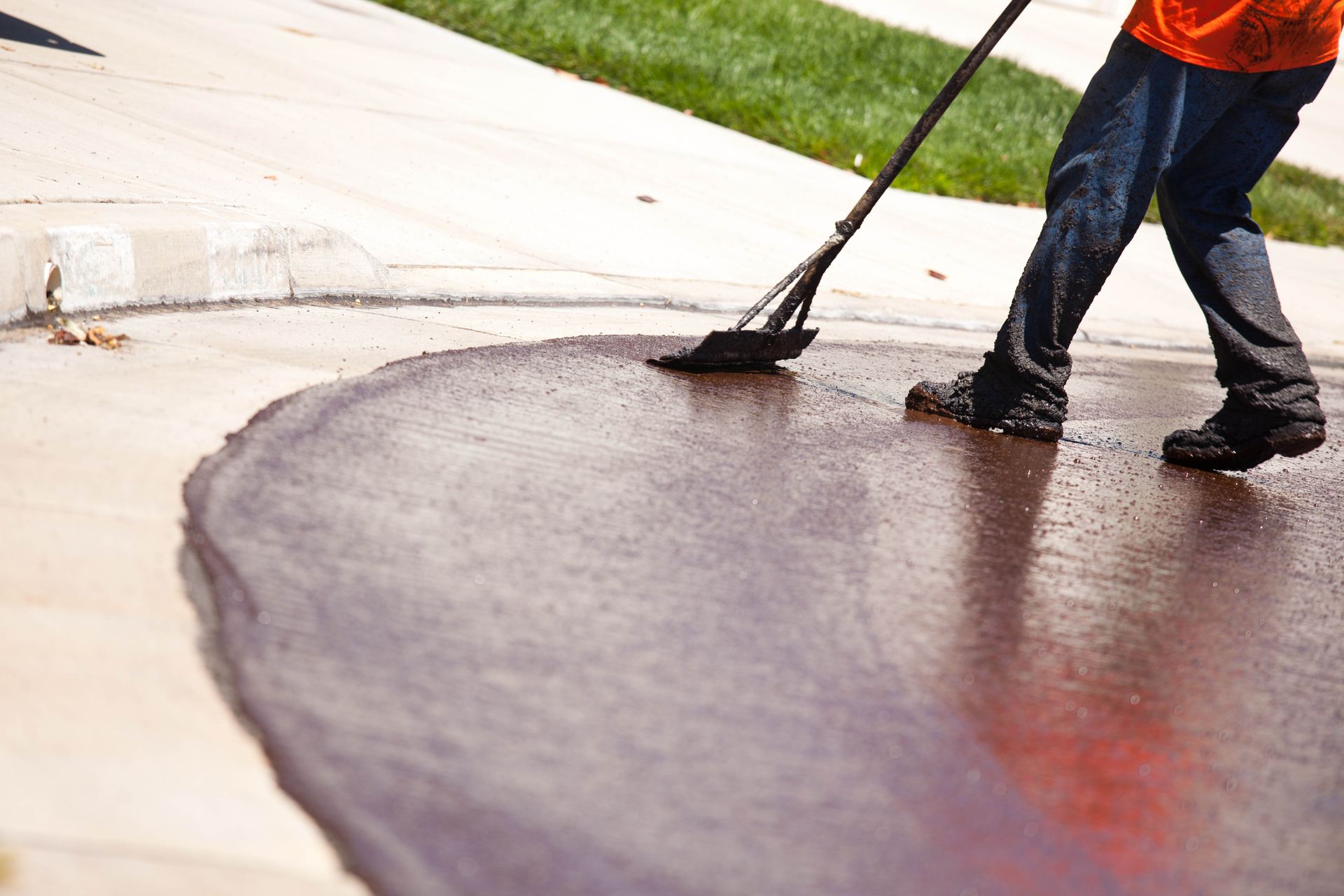
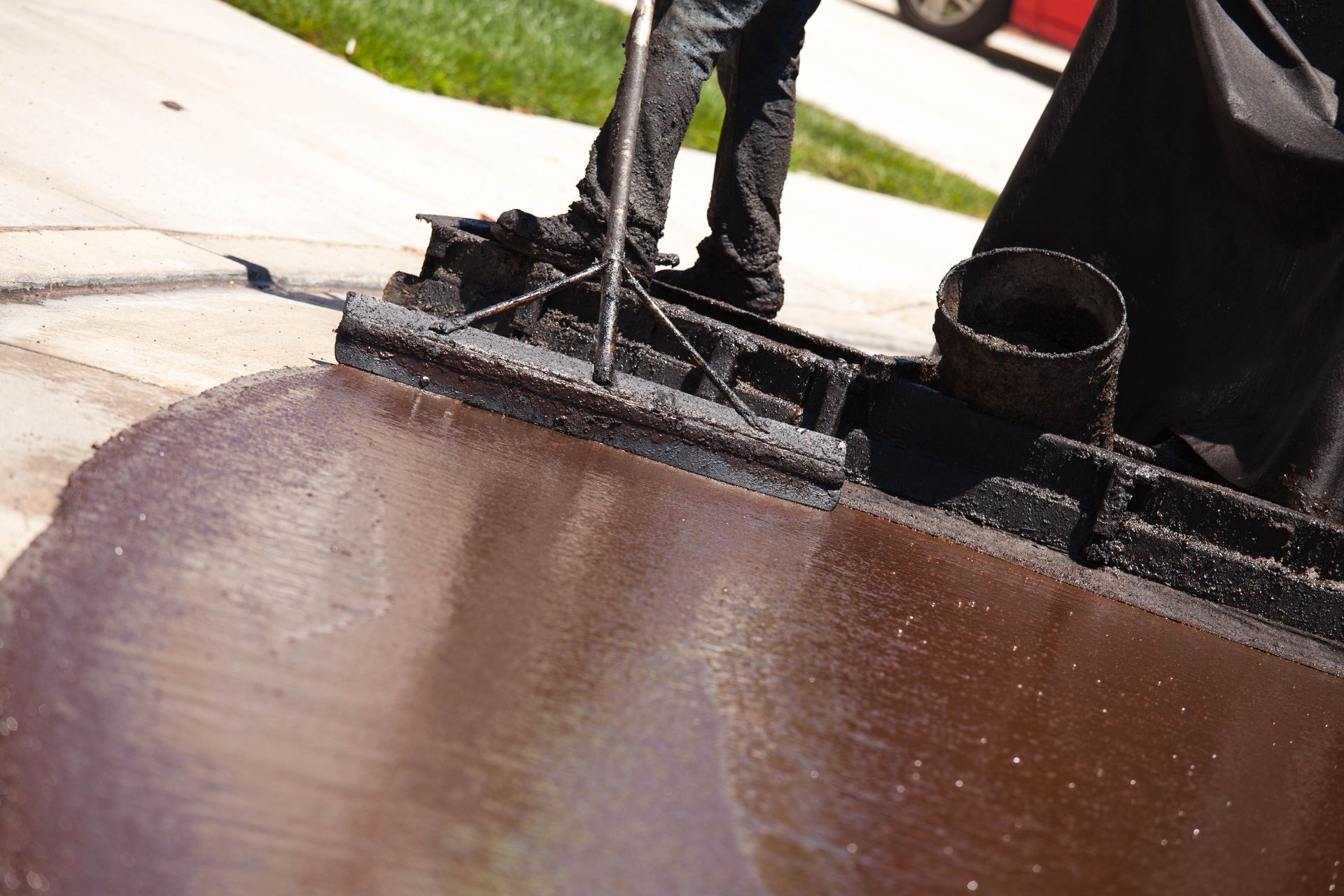
Utilizing professional crack sealing stands as a primary defense mechanism employed by local paving contractors to extend pavement life. This methodology relies on specialized elastic sealants to block moisture entry, halting further internal breakdown of the asphalt matrix. Executing these sealing procedures before winter protects the asset against damaging freeze-thaw forces that expand small fractures. Sealing provides a reliable barrier that stabilizes pavement until comprehensive resurfacing becomes necessary.
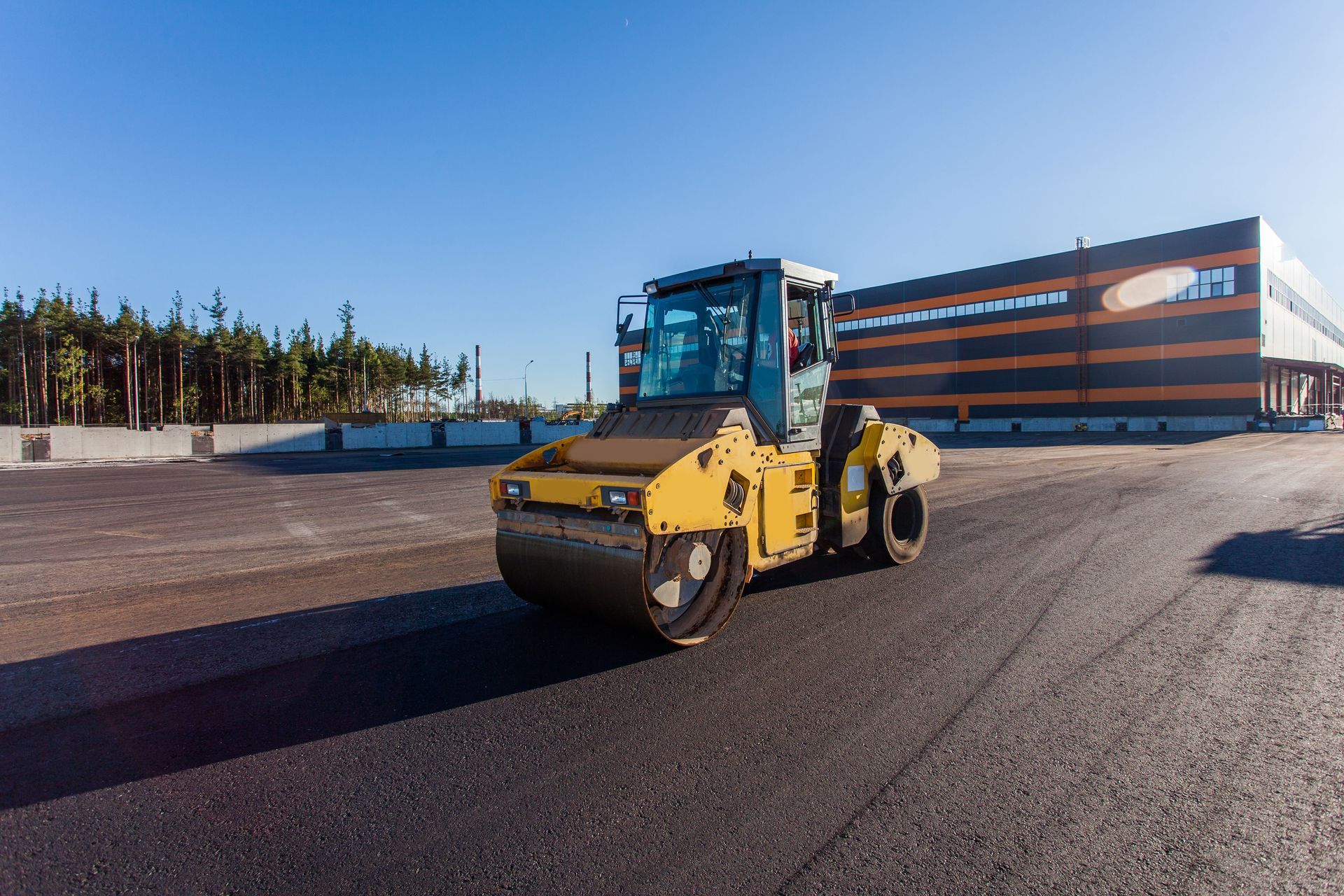
Asphalt overlaying and resurfacing provide robust solutions for extensive surface damage by rolling a fresh asphalt layer directly over the existing structure. This process corrects widespread cosmetic imperfections while adding load-bearing strength to the aging driving surface. The fresh overlay establishes an impermeable shield against weather elements, covering older imperfections and refreshing the entire property. This process is completed quickly, limiting traffic delays while balancing performance and visual renewal.
Recent engineering breakthroughs in asphalt production provide innovative materials designed for superior durability and crack resilience. Polymer-modified asphalt blends deliver increased structural flexibility, allowing the surface to withstand severe temperature shifts without fracturing. These advanced mixtures distribute heavy vehicle weight effectively, reducing the development of permanent ruts or structural distortion. Incorporating recycled materials has become popular, providing an eco-friendly option that aligns with sustainability goals.
Infrared asphalt restoration offers a modern approach that achieves a seamless thermal bond between existing pavement and new repair materials. This technology utilizes infrared rays to heat the damaged zone, softening the surrounding asphalt until it easily blends with fresh replacement mix. Eliminating cold joints removes weak seams where traditional patches usually fail. Utilizing infrared technology helps local paving contractors deliver durable, visually appealing repairs that preserve consistency.
Leverage Innovative Detection Tools
Adopting modern digital management platforms has revolutionized the way progressive local paving contractors analyze and resolve pavement deterioration issues. High-resolution digital imaging systems create precise maps of surface fractures, giving repair teams detailed data regarding the depth and severity of the damage. Specialized software applications process these structural scans to recommend ideal restoration methods based on climate history. Integrating digital resources improves project planning accuracy, elevates quality control, and enhances maintenance operations.
Unmanned aerial drones equipped with camera systems offer an advanced vantage point for inspecting expansive asphalt installations safely and quickly. This elevated view allows maintenance personnel to discover subtle fracture patterns easily missed during standard ground walk-throughs. Utilizing aerial technology reduces the manual labor of physical inspections and protects technicians from working in hazardous environments. Aerial imagery generates consistent documentation, providing property administrators with visual evidence to track pavement conditions.
Artificial intelligence systems provide predictive data analytics that help property managers organize pavement maintenance schedules before visible damage appears. These smart algorithms evaluate historical maintenance logs and regional climate patterns to forecast exactly where surface cracking will occur. Utilizing predictive indicators helps teams schedule preventative treatments early, reducing emergency repair costs and preventing sudden operational disruptions. This transition toward predictive modeling changes asphalt care from a reactive struggle into a controlled strategy.
Smart pavement developments represent an exciting shift in infrastructure engineering, introducing self-healing materials designed to mend minor fractures automatically. These advanced asphalt mixtures utilize embedded capsules that release sealing agents when triggered by mechanical stress. Embedded electronic sensors track traffic weights, structural movement, and temperature changes, streaming real-time structural health updates directly to maintenance databases. Deploying these systems ensures automated monitoring and marks an evolution in protecting road networks.
Proactive pavement care remains essential for protecting the safety, appearance, and value of any commercial property. Ignoring minor cracks allows environmental forces and vehicle weight to destroy the underlying foundation, triggering expensive structural failures. Partnering with reputable
local paving contractors guarantees that minor issues are resolved before expanding into hazardous road conditions. Let us protect your commercial infrastructure investment by scheduling a professional surface evaluation with our experienced team at United Paving LLC.