April 1, 2026
Asphalt patching represents essential maintenance for driveways, parking lots, and other paved surfaces that develop cracks, potholes, or damaged sections requiring repair before problems spread and necessitate complete replacement. While professional services deliver superior results through experience and commercial-grade equipment, understanding proper tools and materials helps property owners appreciate what quality repairs involve and make informed decisions about DIY versus professional work. The difference between patches that last years and those that fail within months often comes down to using appropriate materials, proper preparation, and correct application techniques that amateurs frequently overlook in their eagerness to complete repairs quickly. Successful asphalt patching requires more than just filling holes with material, as proper repairs address underlying causes, prepare surfaces correctly, and apply products designed specifically for the repair type and conditions.
Cold Patch Asphalt for Quick Temporary Repairs
According to Mordorintelligence.com, the seal coat market size in the US was estimated at over one billion USD in 2024. Cold patch asphalt comes premixed and ready to use without heating, making it convenient for emergency repairs and small pothole fixes requiring immediate attention before proper hot-mix repairs can be scheduled. This material works in various weather conditions, including cold temperatures when hot-mix asphalt cannot be applied, providing temporary solutions that prevent further deterioration until permanent repairs occur. Cold patch proves less durable than hot-mix alternatives and should be considered temporary even when properly applied, as it typically lasts months rather than the years that hot-mix repairs provide. Any experienced paving company will explain that while cold patch serves valuable purposes for temporary repairs, it cannot substitute for proper hot-mix patching when permanent, long-lasting repairs are needed for critical areas receiving heavy traffic or where appearance matters significantly.
Hot-mix asphalt provides superior durability and longevity compared to cold patch, creating repairs that blend seamlessly with existing pavement and last for years when properly installed. This material requires heating to approximately 300 degrees Fahrenheit before application, necessitating specialized equipment and careful handling that makes it impractical for most DIY repairs despite its superior performance. The hot material compacts better than cold alternatives, creating denser repairs with improved water resistance and structural integrity that withstand traffic and weather far better than cold-patch alternatives. Professional application from a qualified paving company ensures proper temperature maintenance, adequate compaction, and appropriate thickness that maximizes hot-mix performance, delivering the permanent repairs that cold patch simply cannot match, regardless of application care.
Crack Filler and Sealant Materials
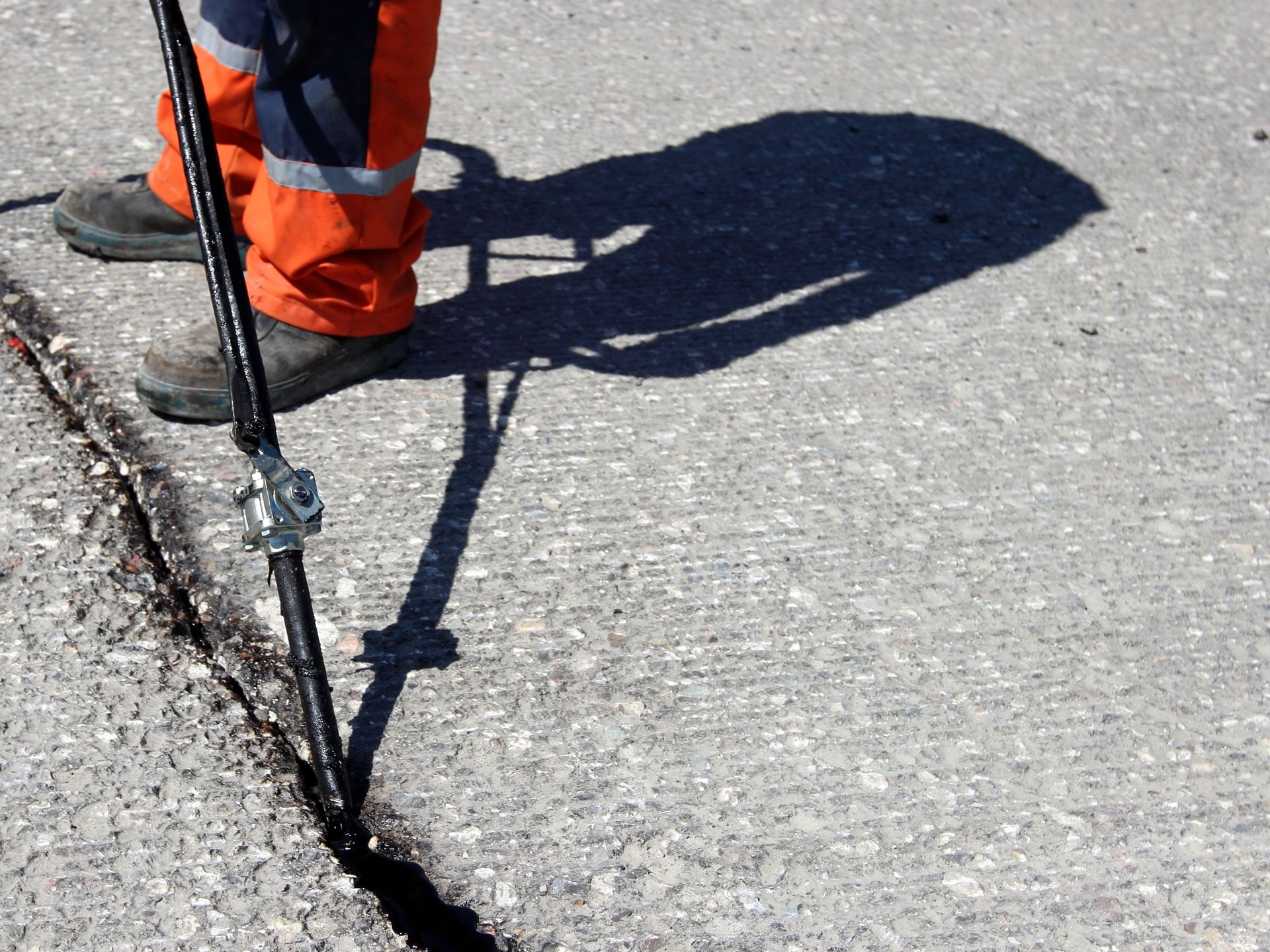
Specialized crack fillers, including hot-pour rubberized sealants and cold-applied products, prevent water infiltration through cracks that would otherwise expand through freeze-thaw cycles and undermine adjacent pavement. These products differ substantially from patching compounds, as they're designed specifically for narrow cracks rather than larger voids that patches address. Proper crack filling requires cleaning debris from cracks before application, ensuring the sealant bonds to the crack edges rather than just bridging across debris-filled voids that fail quickly. A professional paving company uses commercial-grade sealants formulated for specific crack widths and traffic conditions, achieving results that consumer-grade products cannot match despite similar application techniques and careful workmanship.
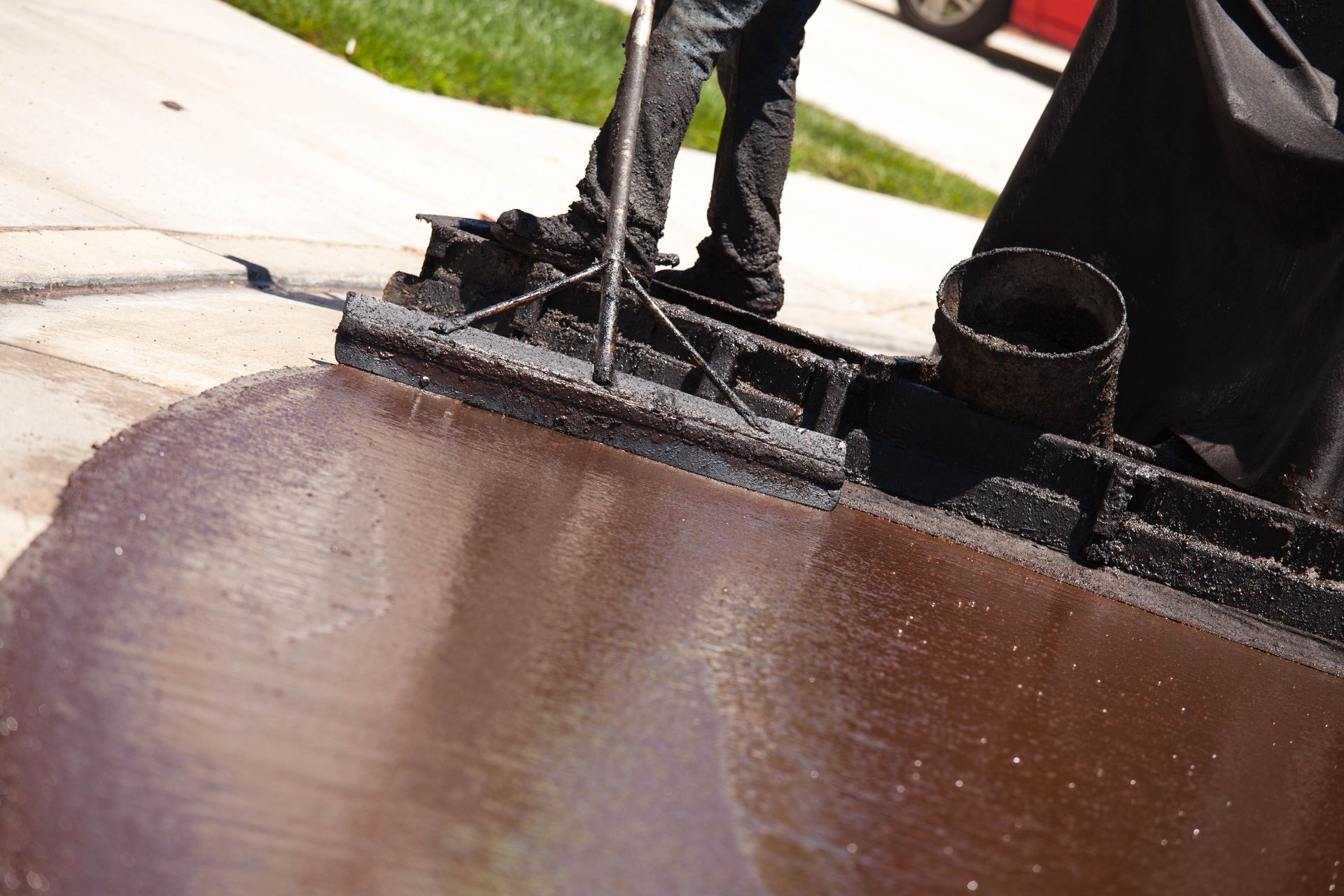
Tack coat, a liquid asphalt emulsion, ensures new patch material bonds properly to existing pavement edges, preventing separation that creates gaps where water infiltrates and causes premature failure. This critical step, often skipped in amateur repairs, dramatically improves patch longevity by creating integrated repairs rather than just material sitting in holes without proper adhesion. The coat must be applied to clean, dry surfaces and allowed to cure briefly before patch placement, requiring planning and patience that rushed repairs often lack. Professional application by an experienced paving company ensures appropriate coverage, proper cure time, and compatibility between tack coat and patch material, details that inexperienced workers may not understand or appreciate despite their critical importance for successful repairs.
Compaction Equipment for Proper Density
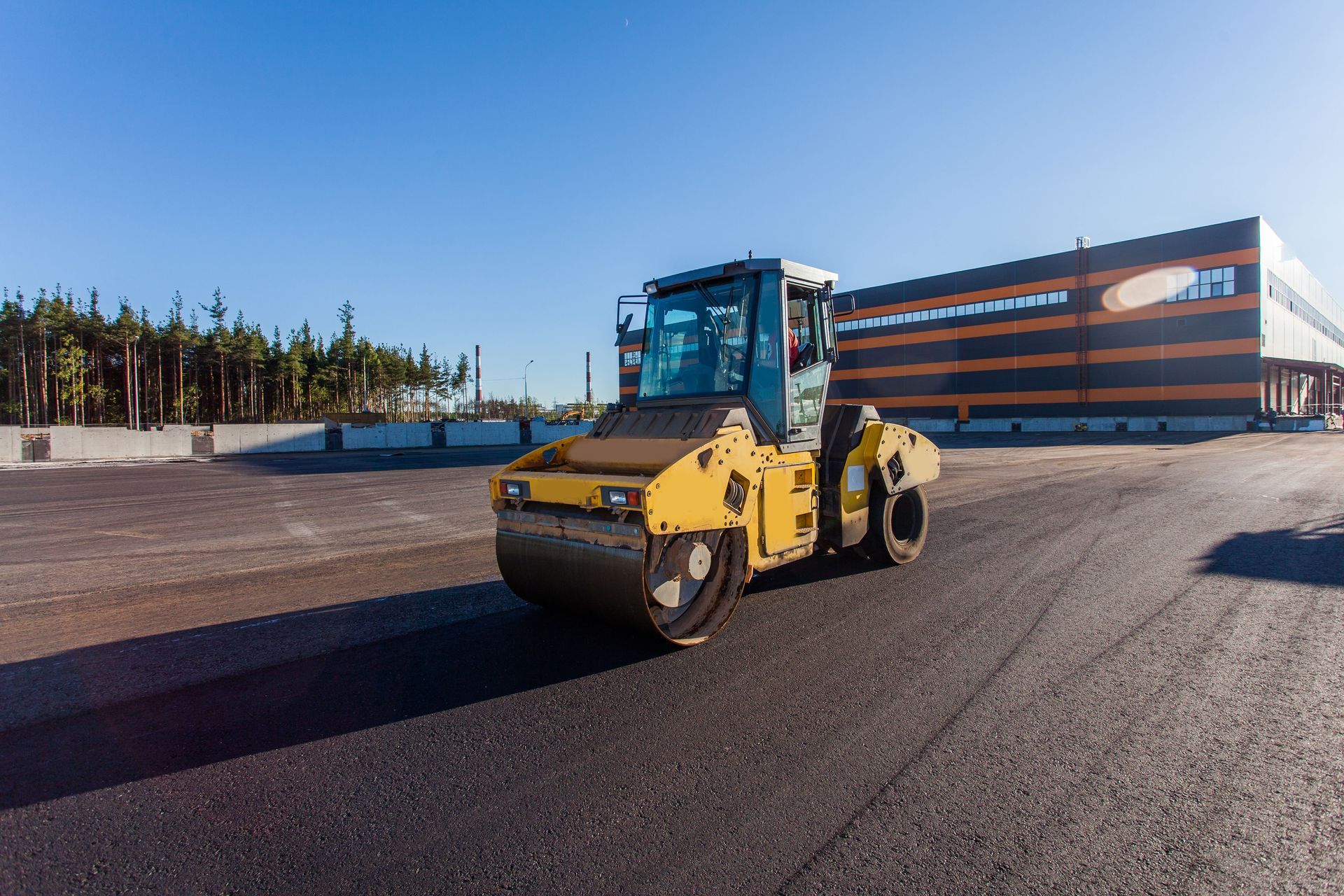
Vibratory plate compactors or tampers compress patch material to proper density, eliminating air pockets and creating solid repairs that resist water penetration and support traffic loads without settling or failing prematurely. Hand tamping proves inadequate for all but the smallest repairs, as achieving proper compaction requires mechanical force that manual efforts cannot generate, regardless of effort or time invested. Proper compaction technique involves multiple passes with equipment, working from patch edges toward centers while maintaining appropriate material temperature for effective densification. An experienced paving company uses commercial compaction equipment sized appropriately for repair areas, achieving the density that ensures patches perform as intended rather than settling and failing within months of installation despite proper material selection and preparation.
Wire brushes, compressed air, and power washers remove loose material, debris, and standing water from repair areas, creating clean surfaces where patch materials can bond properly rather than adhering to contamination that prevents effective bonding. Proper preparation proves as important as material selection for repair success, yet rushed work often skips thorough cleaning in eagerness to apply patch material and complete repairs quickly. Cutting damaged pavement to clean edges using saws creates defined repair boundaries that support patch material better than ragged, deteriorated edges that crumble and fail to provide adequate support. Professional preparation includes these time-consuming steps that amateur repairs frequently skip, explaining why professional patches last years while DIY attempts fail within months despite using similar materials.
Infrared Heating for Seamless Repairs
Infrared heaters soften existing asphalt around repair areas, allowing new material to blend seamlessly with surrounding pavement rather than creating distinct patches with visible boundaries where failures commonly initiate. This advanced technique creates nearly invisible repairs that perform better than traditional patching because bonding occurs throughout transition zones rather than just at abrupt edges between old and new material. The specialized equipment required for infrared repairs places this technique beyond DIY capabilities, as heaters cost thousands of dollars and require training for safe, effective operation. A professional paving company offering infrared repair technology provides superior results for high-visibility areas where appearance matters and where seamless integration delivers performance advantages justifying the premium that this advanced technique commands over conventional patching methods.
Sealcoating products protect asphalt from UV damage, water penetration, and chemical exposure that gradually deteriorate unprotected pavement, extending surface life and maintaining appearance that oxidation and weathering otherwise diminish. These coatings should be applied to properly cleaned and prepared surfaces after repairs cure completely, creating a uniform appearance while providing the protective benefits that justify sealcoat application costs. Different formulations, including coal tar and asphalt emulsions, offer varying durability, appearance, and environmental characteristics that property owners should understand when selecting products. Professional paving company application ensures proper dilution, even coverage, adequate dry time, and appropriate traffic restrictions that maximize sealcoat performance and justify the investment through extended pavement life and improved appearance.
Understanding the tools and materials that professional asphalt patching requires helps property owners appreciate the complexity of proper repairs and recognize when professional services deliver value that DIY attempts cannot match. The combination of specialized materials, proper equipment, technical knowledge, and experience that quality repairs demand often justifies professional costs through superior results that last years rather than failing within months. While minor repairs may fall within DIY capabilities for handy homeowners, significant patching, high-traffic areas, and situations where longevity and appearance matter typically benefit from professional expertise and equipment. Whether you need asphalt installation, asphalt replacement, asphalt driveways, asphalt parking lots, asphalt golf cart paths, asphalt tennis courts, asphalt pickleball courts, asphalt patio, asphalt slab, asphalt paths, line stripping, crack filling, asphalt patching, tar and chip maintenance, or asphalt court painting, United Paving LLC provides guaranteed workmanship using industry-leading paving equipment and offers free estimates within 24 hours. For more information, contact us today!